Pond Treatment: How To Keep Water Balanced
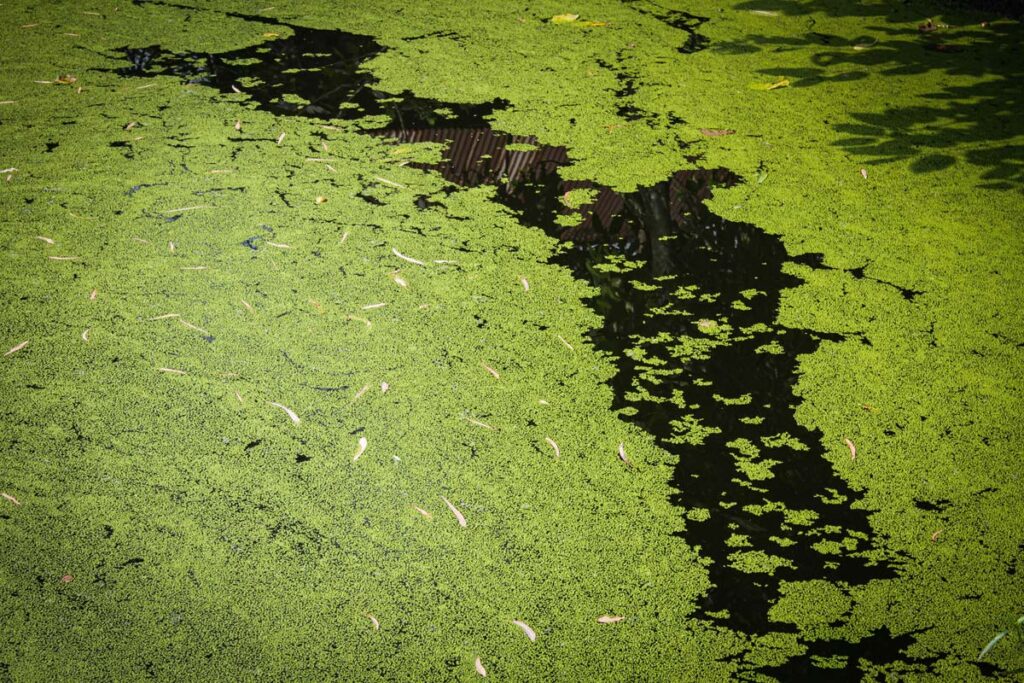
A lot of people do not think about pond treatment until something starts looking off. Maybe the water gets cloudy. Maybe algae shows up faster than usual. Maybe there is a smell, or the pond just feels a little “off” compared to normal.
Usually, that is not random. It is a sign the pond is getting out of balance.
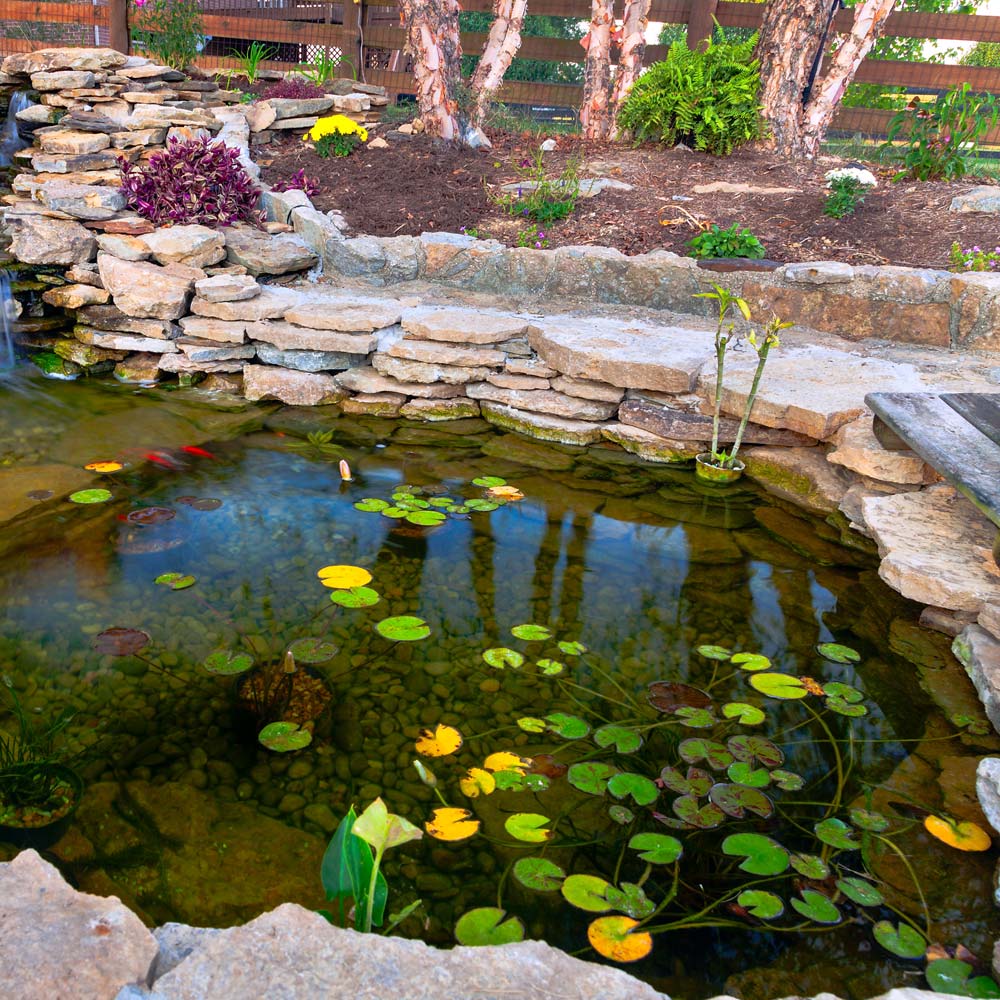
The good news is, pond treatment is not just about reacting when things go wrong. It can also be a way to support the pond before problems really take hold. When the water is balanced, everything tends to go more smoothly. The water stays clearer, fish and plants do better, and the pond is a lot easier to keep up with.
When Is a Good Time to Start Pond Treatment?
Usually earlier than people think. Spring is one of the best times to start. Once the weather warms up, leftover debris from winter starts breaking down, water conditions begin shifting, and algae often tries to get a head start. Starting pond treatment early can help keep things steadier before the pond gets messy.
Summer is another big one. Warm water, sunlight, fish activity, and organic buildup can all throw a pond out of balance pretty quickly. Some ponds also benefit from treatment in fall, especially when leaves and plant matter start piling up.
A simple way to think about it: it is usually easier to stay ahead of pond problems than to fix them once they are everywhere.
What “Water Balance” Actually Means
When people hear “water balance,” they sometimes think it only means water chemistry. That is part of it, but not all of it.
A balanced pond means the whole system is working together the way it should. Water is moving. Filtration is doing its job. Beneficial bacteria are helping break down waste. Nutrients are not building up faster than the pond can handle them.
If one part starts slipping, the rest usually feels it too.
That is why pond treatment works best when it is not treated like a magic fix. If the pond has weak circulation, poor pond filtration, too much debris, or a pump that is not performing well, treatment alone usually will not solve the bigger issue.
Signs Your Pond May Need Treatment
Some ponds make it obvious. Others are more subtle.
A pond may need pond treatment if you notice:
- cloudy or dull-looking water
- bad odors
- algae showing up faster than usual
- fish acting stressed
- debris breaking down in the pond
- filters struggling to keep up
- water that just does not seem as clean or healthy as normal
None of those things automatically mean the pond is in terrible shape. But they usually mean it needs some attention.
Pond Treatment Is Not a Replacement for Maintenance
This is a big one.
A lot of people expect pond treatment to do the work of maintenance, but it really does not work that way. Treatment can support water balance, but it works a lot better when the basics are already being handled.
That means:
- keeping pumps and filters running
- removing debris regularly
- not overfeeding fish
- keeping an eye on plant growth
- supporting beneficial bacteria
- staying on top of regular pond maintenance
If the pond is overloaded with sludge, leaves, waste, or algae, treatment may help, but it may not be enough on its own. In those cases, better pond filtration, pond pump repair, algae control, or even pond cleanouts may be part of getting things back on track.

FAQ About Pond Treatment
What does “pond water balance” mean?
Why is water balance important in a pond?
Proper water balance helps:
- keep fish healthy and stress-free
- prevent algae blooms
- reduce odors and cloudy water
- support beneficial bacteria
- protect pumps and filtration equipment
An unbalanced pond can quickly develop water quality problems.
How do I maintain proper pond water balance?
Key steps include:
- running pumps and filters continuously
- performing routine maintenance
- avoiding overfeeding fish
- adding beneficial bacteria regularly
- managing debris and plant growth
- testing water periodically
When should I start pond treatment?
A good time to start pond treatment is before the pond develops major problems. Spring and early summer are common starting points because changing temperatures, sunlight, and organic buildup can quickly affect water balance.
Can pond treatment help with algae?
Yes, pond treatment can help support conditions that make algae easier to manage, especially when paired with good filtration, circulation, and maintenance. If algae is already a bigger issue, it may make sense to look at algae control too.
Is pond treatment safe for fish and plants?
That depends on the type of treatment and the condition of the pond. The right approach should always support the overall health of the system rather than creating new stress. It is a good idea to choose treatment carefully and use it as part of a broader pond care plan.
Why does my pond keep going out of balance?
Usually because something else in the system is contributing to the problem. Weak filtration, poor circulation, excess fish waste, overfeeding, debris buildup, or inconsistent maintenance can all cause water balance problems to keep returning.