Water feature and pond pump repair is often the first step in restoring the health, flow, and performance of a pond or water feature. At Kingfisher Waterscapes, we provide pump repair, installation, and maintenance for homeowners, HOAs, and shared properties throughout Eugene, Lane County, and surrounding areas.
When a pump begins to fail, loses flow, becomes noisy, or stops circulating water properly, the effects can quickly spread through the rest of the system. Water quality may decline, filtration may struggle, and the feature may no longer look or function the way it should.
Our approach is practical, hands-on, and focused on finding the real cause of the issue so we can recommend the right solution for long-term performance.
Not every pump problem requires a full replacement. In many cases, water feature and pond pump repair can restore circulation and improve performance without replacing the entire unit. In other situations, the pump may be undersized, outdated, or worn beyond what makes sense to repair.
We take the time to inspect the full system, including circulation, filtration, plumbing, and debris load, so we can recommend what truly fits the needs of the feature. Our goal is to provide knowledgeable service that helps keep ponds and water features clean, balanced, and running properly over time.
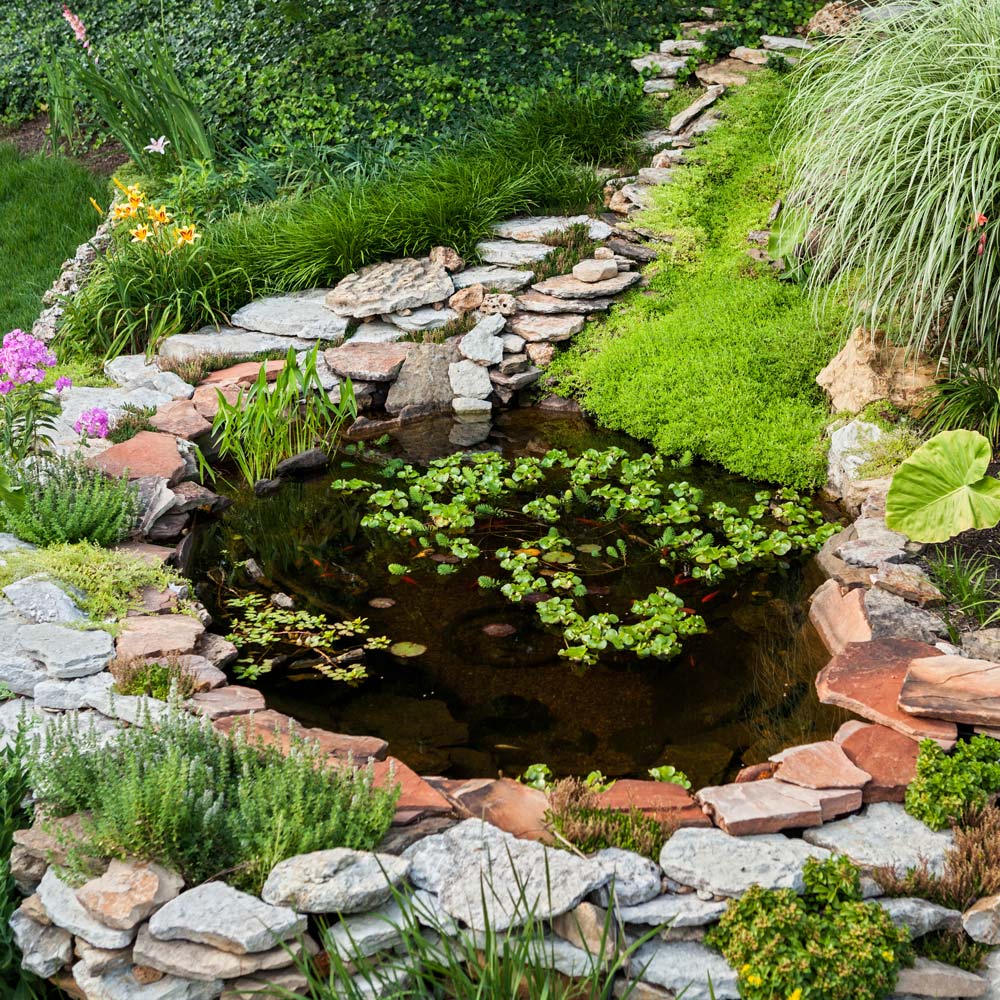
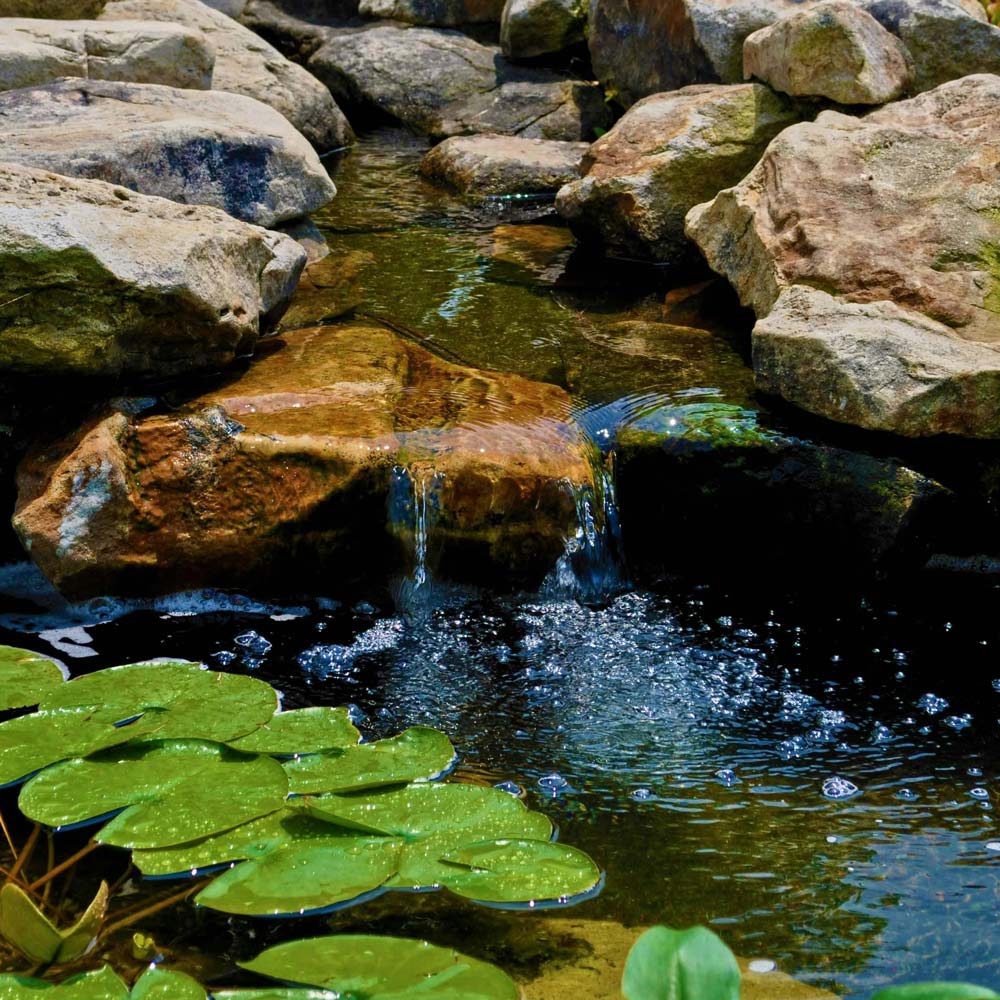
A healthy pond or water feature depends on steady circulation. Pumps move water through filters, waterfalls, streams, and return lines, helping reduce stagnation, improve clarity, and support healthier conditions for fish and plants.
When circulation drops, the whole system can begin to feel the effects. That is why timely water feature and pond pump repair is so important.
Addressing pump issues early can help prevent bigger water quality problems and reduce strain on the rest of the feature.
Good pump performance affects much more than water movement alone. It supports filtration, helps manage debris, and keeps decorative elements like waterfalls and streams functioning as they should.
When pump problems are ignored, water may become cloudy, algae may gain ground more easily, and the feature can become harder and more expensive to maintain.
Reliable water feature and pond pump repair helps restore proper function and protect the long-term health of the system.
Kingfisher Waterscapes provides complete service for pond and water feature pumps, including pond pump repair, installation, maintenance, and troubleshooting.
Some clients call because their pump has stopped running. Others notice weak flow, unusual sounds, poor circulation, or a feature that simply does not perform the way it used to. In each case, we focus on understanding the system before recommending the next step.
We do not believe in one-size-fits-all recommendations or replacing equipment unnecessarily. We look at how the pump is performing, whether it is properly sized, how it interacts with the filtration system, and what the feature needs to run well over time.
Choosing the right pump is about more than replacing what was there before. Pump size should match the real demands of the feature, including pond volume, waterfall or fountain height, desired flow rate, head pressure, plumbing size, and plumbing length.
A properly selected pump helps maintain healthy circulation without wasting energy or putting unnecessary strain on the system.
A koi pond, a pondless waterfall, and a decorative fountain may all require something different.
Pumps that are too small can leave the system under-circulated and make filtration less effective. Pumps that are too large can waste electricity, create excessive movement, and wear equipment faster than necessary.
When water feature and pond pump repair is no longer the most practical option, we help clients choose replacement pumps based on how the system actually functions in real conditions. That includes looking at circulation goals, filtration demands, and long-term reliability so the pump supports the feature rather than working against it.
Pump problems do not always begin with total failure. Often, smaller warning signs appear first.
Reduced water flow, unusual noise, inconsistent operation, weak waterfall performance, and declining water clarity can all point to a pump that needs attention. In many cases, early pond pump repair can prevent more serious issues and help extend the life of the equipment.
Common signs of pump trouble include:
These symptoms can come from several causes. Common reasons pumps fail or begin to struggle include clogged intake screens, running dry, excessive debris, string algae buildup, electrical issues, worn components, improper sizing, and lack of maintenance.
Regular cleaning can greatly extend pump life, but when problems do show up, proper pond pump repair starts with identifying the real cause.
We always try to solve the actual issue, not just the most obvious symptom. Sometimes the pump itself is failing. Sometimes the problem is debris load, plumbing restriction, or another part of the feature affecting circulation. Careful diagnosis helps prevent repeat problems and supports long-term system health.
A healthy pond depends on more than a pump alone. Good circulation works together with filtration, algae control, and routine upkeep to keep the water feature balanced over time. Pumps move water through the filtration system, helping remove debris and waste while supporting cleaner, healthier water.
When pump performance drops, filtration often becomes less effective, and algae or debris problems can become harder to manage. That is why water feature and pond pump repair should be viewed as part of the bigger system. Restoring pump performance can improve flow, support filtration, and make the entire feature easier to maintain.
Kingfisher Waterscapes specializes in the service, repair, and long-term health of ponds and water features. That specialized focus matters when diagnosing and servicing pumps, because pumps do not operate in isolation. They affect circulation, filtration, water quality, and the overall performance of the system.
We approach every project with careful attention to detail, practical recommendations, and respect for your property.
Clients choose Kingfisher Waterscapes because we provide:
If your pond or water feature is losing flow, making unusual noise, or no longer circulating the way it should, Kingfisher Waterscapes provides dependable water feature and pond pump repair throughout Eugene, Lane County, and surrounding areas.
Pump size is based on pond volume, waterfall or fountain height, desired flow rate, and plumbing size and length. In many systems, a good rule of thumb is to turn over the full pond volume about once per hour, though every feature is different. Proper sizing helps maintain strong circulation without wasting energy.
Yes. Pond and water feature pumps are designed to be fish-safe and use oil-free, sealed motors. Many models also include intake screens to help protect fish and keep debris from entering the pump. Proper installation and circulation help support a healthier pond environment overall.
Modern pond pumps are highly energy-efficient, especially magnetic drive pumps, high-efficiency asynchronous motors, and variable speed pumps. Choosing the right pump can significantly reduce electricity costs over time while still providing the circulation your system needs.
Common causes include clogged intake screens, running the pump dry, excessive debris or string algae, electrical issues, and lack of maintenance. Regular cleaning and inspection can greatly extend pump life and help prevent unexpected failure.
That depends on the age of the pump, the condition of its components, and whether it is properly sized for the feature. In some cases, pond pump repair is the most practical option. In others, replacement is the better long-term investment.
A pump can still run while struggling with a clogged intake, debris buildup, string algae, plumbing restriction, or filtration issue. In some cases, the pump may also be wearing out or may not be properly sized for the feature. A full inspection is usually the best way to pinpoint the real cause.
That depends on the pond, the amount of debris it collects, and how heavily the system is used. Many features benefit from seasonal inspection, while others may need more frequent cleaning during warm months or heavy leaf drop. Routine maintenance helps pumps last longer and perform more reliably.