Pond filtration is one of the most important parts of keeping a pond or water feature clean, clear, and healthy over time. At Kingfisher Waterscapes, we provide installation, repair, upgrades, and troubleshooting for filtration systems throughout Eugene, Lane County, and surrounding areas. When filtration is working properly, it supports better water quality, reduces waste buildup, improves clarity, and helps create a healthier environment for fish and plants. When it is not, problems like cloudy water, algae, odors, and poor circulation can quickly take hold. Our approach is practical, hands-on, and focused on long-term results.
Not every filtration issue means a system needs to be replaced. Some ponds need a repair, a thorough cleaning, or a few strategic upgrades to restore proper performance. Others need a more complete pond filtration solution that better matches the size, debris load, and demands of the feature. We take the time to evaluate the full system, explain what is happening clearly, and recommend improvements that support lasting water health without unnecessary upselling.
A good pond filtration system does much more than improve appearance. It helps remove debris, manage waste, support beneficial bacteria, and maintain cleaner, healthier water over time. In ponds with fish, filtration plays a major role in helping break down waste and supporting a more stable environment. In decorative water features, it helps reduce buildup, improve clarity, and keep the system looking and functioning the way it should.
When filtration is working well, the pond is easier to maintain and less likely to develop ongoing water quality problems. Proper filtration can help reduce odors, slow down excess organic buildup, and support the natural balance that keeps a water feature running more smoothly. Without enough pond filtration, waste and debris can accumulate quickly, circulation can become less effective, and the feature can become harder and more expensive to maintain over time.
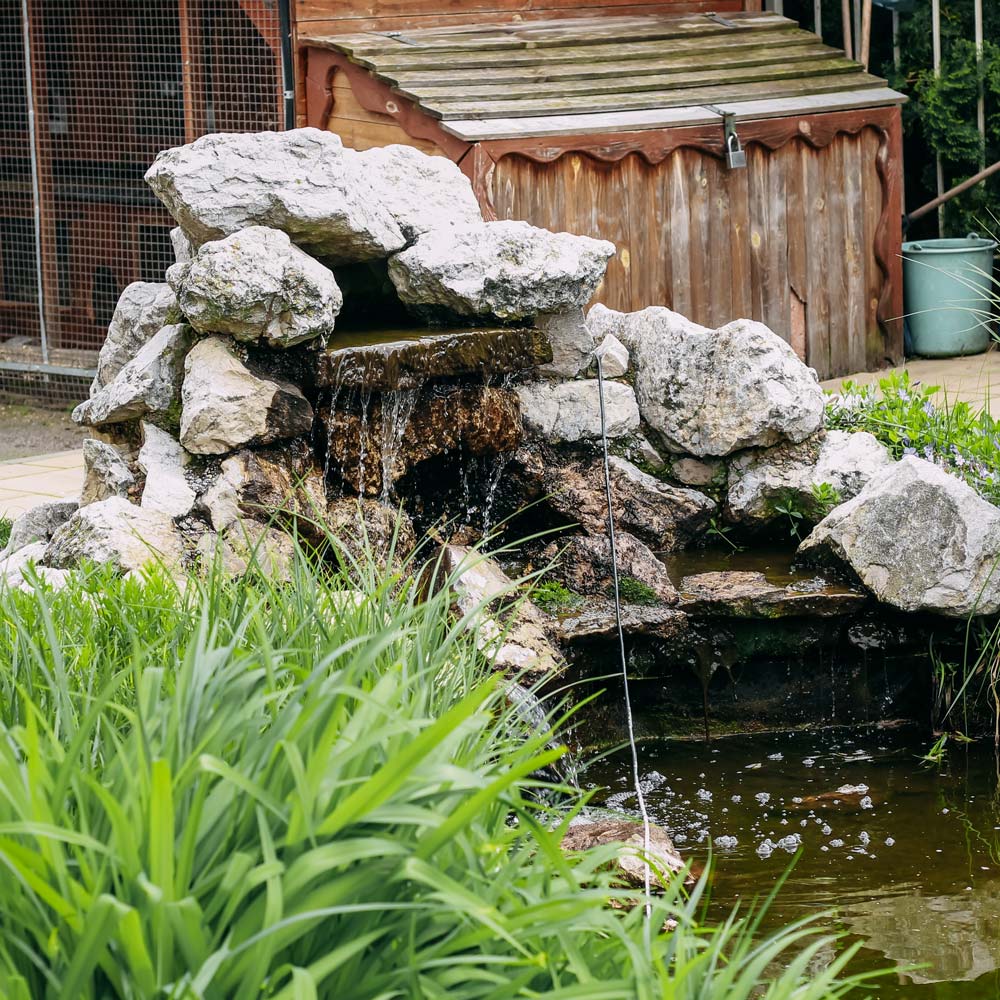
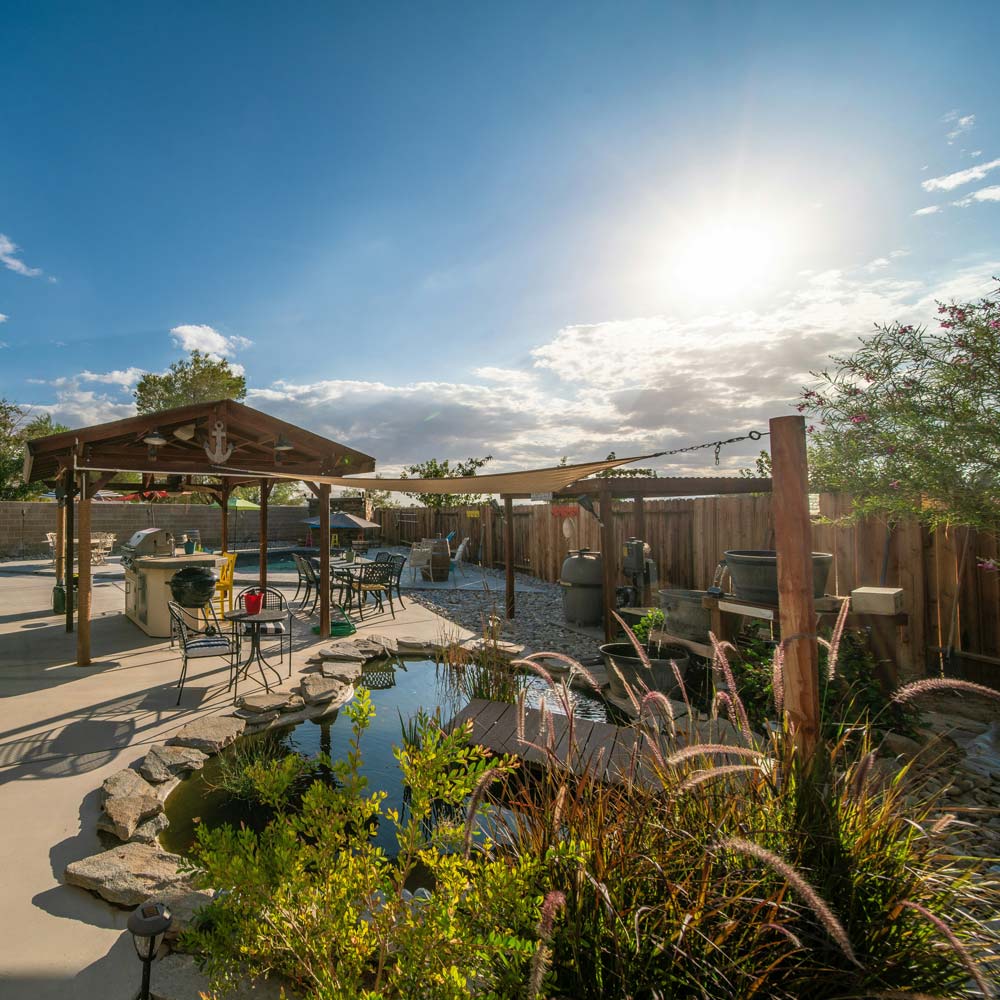
Kingfisher Waterscapes provides complete service for pond filtration, including inspection, repair, upgrades, and installation for both ponds and water features. Some property owners call because the water is cloudy or the filter no longer seems to be keeping up. Others are dealing with recurring algae issues, foul odors, or a system that was never designed properly in the first place. In many cases, the issue is not just one broken part. It may be a filtration system that is undersized, clogged, poorly maintained, or no longer suited to the needs of the pond.
We take a full-system approach to pond filtration. That means looking at the filter itself, the pump, circulation, plumbing, debris load, fish population, and the overall demands of the water feature. Sometimes a repair or a few targeted upgrades can make a major difference. Other times, a more complete installation or replacement is the best path to better clarity and long-term reliability.
A well-designed filtration system often combines more than one of these methods. Good filtration is not just about trapping debris. It is about supporting a healthier, more balanced pond environment over time. We help clients choose filtration solutions based on how the feature actually functions in real conditions, not just on generic equipment ratings.
Even ponds without fish often benefit from filtration. Leaves, pollen, dust, plant material, and other debris still make their way into the water. In many cases, filtration helps improve clarity, reduce debris buildup, and prevent odors or algae from becoming a larger issue. Water movement and pond filtration help maintain balance in almost any pond or water feature.
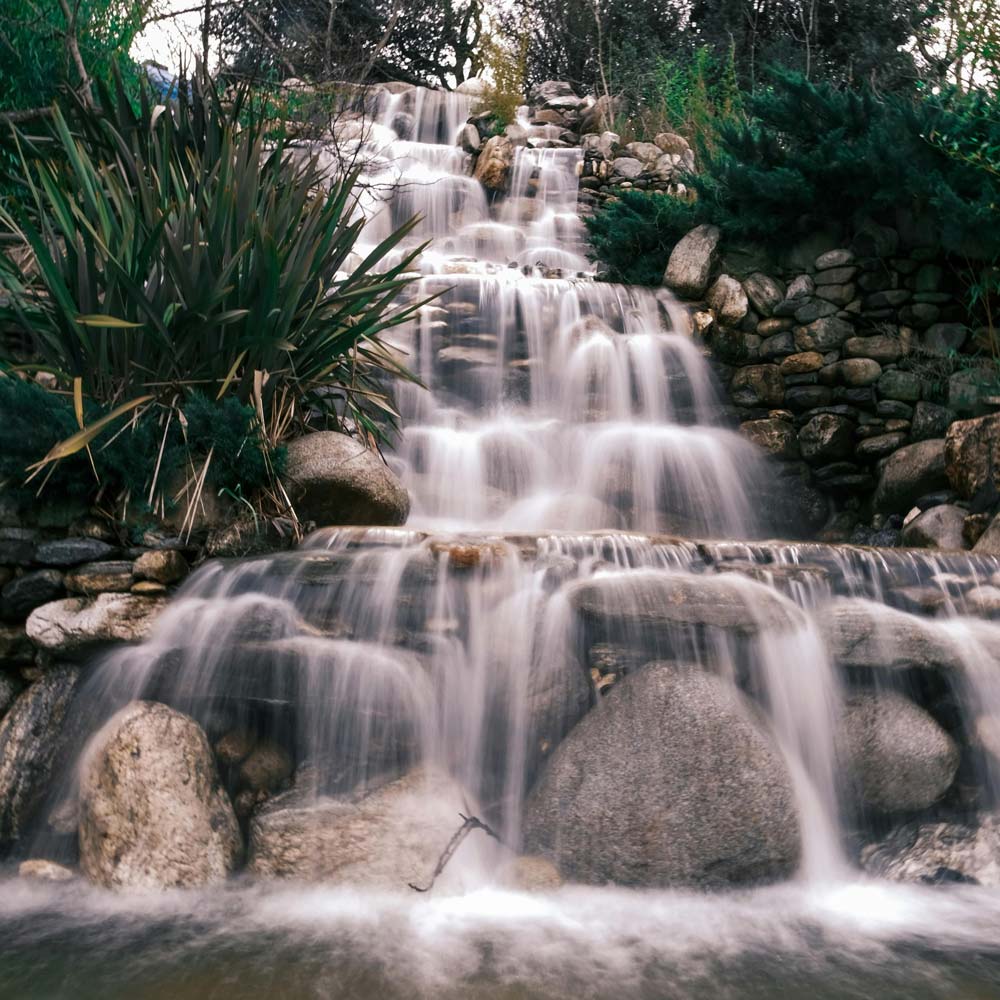
A healthy pond depends on more than a filter alone. Pond filtration works best when it is supported by proper circulation and a balanced overall system. Pumps move water through the filtration system, helping carry debris, waste, and organic material to the parts of the system designed to remove or break them down. Without steady water movement, even a well-designed filtration system can struggle to keep the pond clear and balanced over time.
There is also a close connection between pond filtration and algae control. When filtration is undersized, circulation is weak, or debris is allowed to build up, excess nutrients can remain in the water and create conditions where algae thrive more easily. While algae treatments can help address the immediate problem, long-term control usually depends on improving the overall system. Stronger circulation, effective filtration, and regular maintenance all work together to support cleaner, healthier water.
Filtration issues do not always begin with an obvious equipment failure. Often, the first signs show up in the water itself. If the pond is cloudy, algae is becoming harder to control, odors are developing, or debris seems to collect more quickly than usual, the pond filtration system may need attention.
There can be several causes behind these problems. A filtration system may be undersized, partially clogged, overwhelmed by debris, poorly maintained, or affected by pump or plumbing issues. In some cases, the filter itself is still working, but another part of the system is preventing it from performing as it should.
That is why we inspect the full feature rather than focusing on one symptom alone. Our goal is to identify the real reason the water quality is declining and recommend a solution that improves pond filtration in a way that makes sense for the long term.
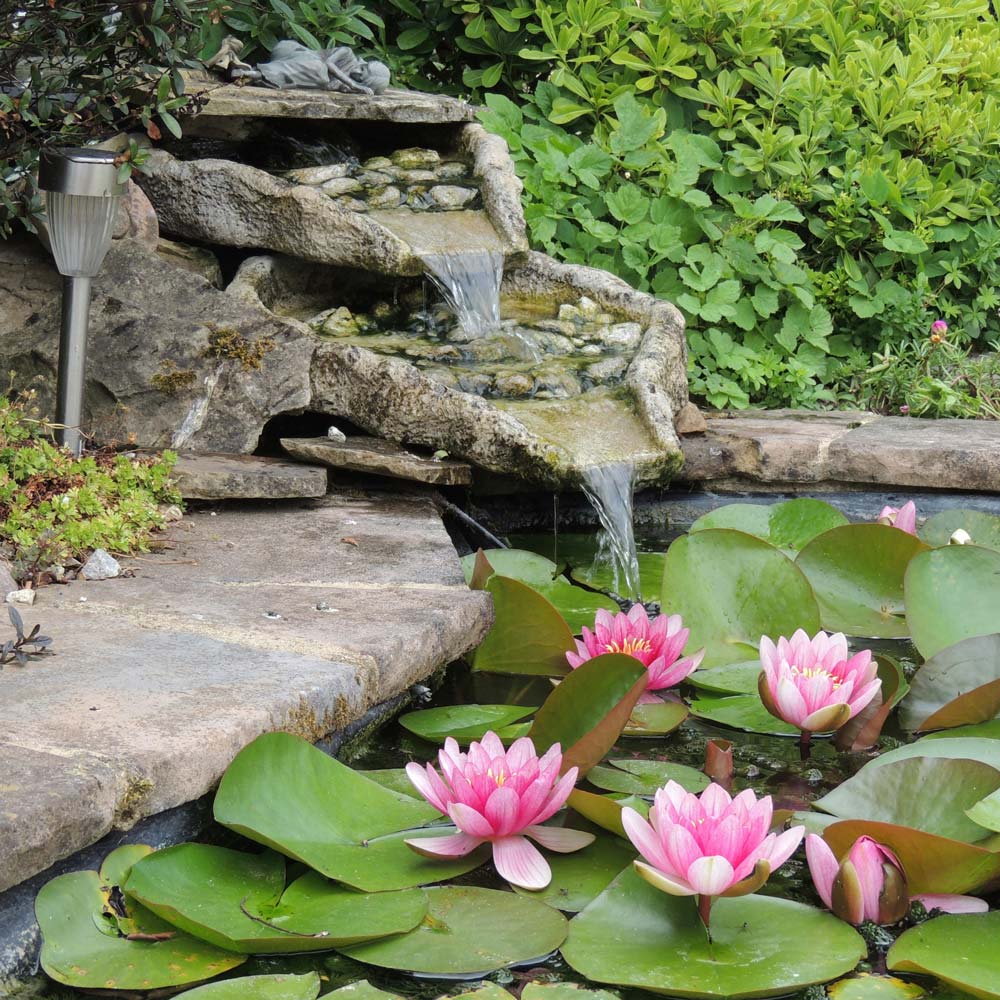
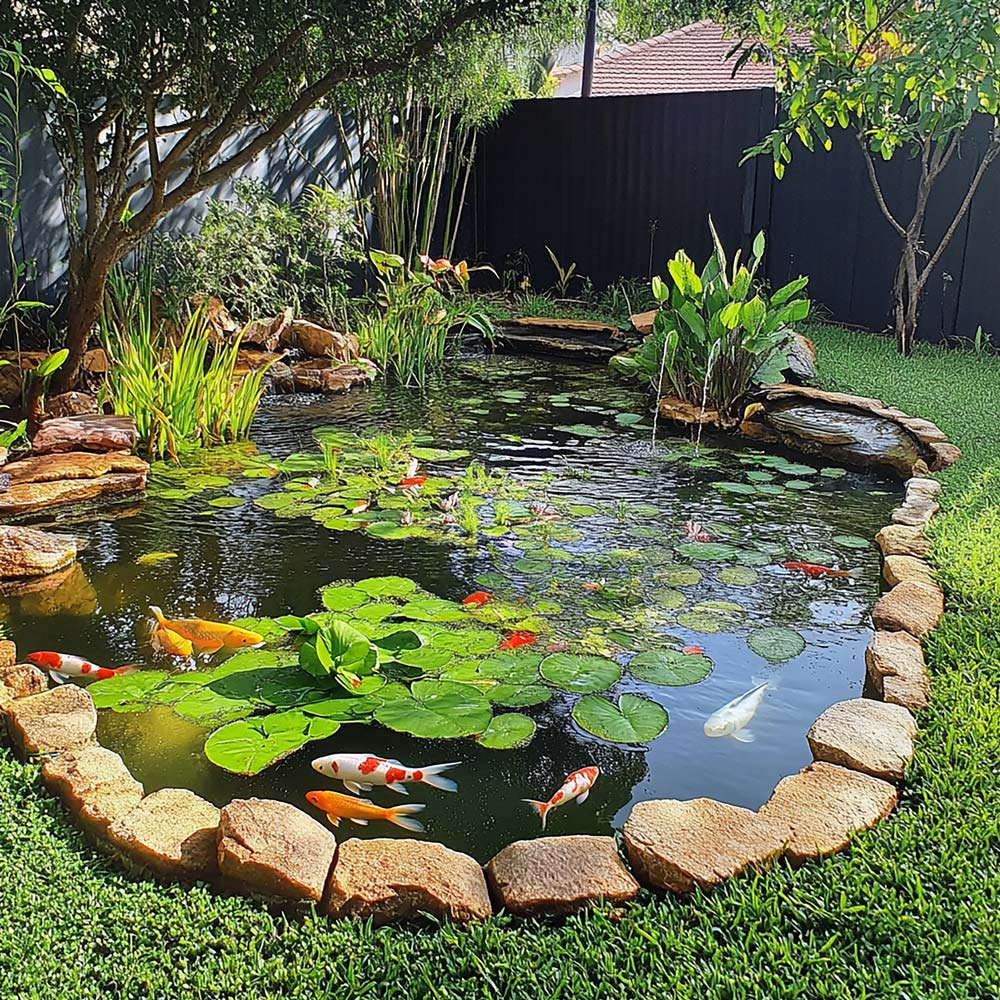
Kingfisher Waterscapes specializes in the service, repair, and long-term health of ponds and water features. That specialized focus matters when working on pond filtration, because filtration affects much more than just how the water looks. It influences clarity, circulation, algae control, fish health, and the overall balance of the feature.
Clients choose Kingfisher Waterscapes because we provide:
If your pond is struggling with cloudy water, poor filtration, recurring algae, or a system that no longer seems to be working the way it should, we are here to help. Kingfisher Waterscapes provides knowledgeable, friendly pond filtration service throughout Eugene, Lane County, and surrounding areas.
Pond Filtration is the process of removing debris, waste, and harmful substances from pond water to keep it clean, clear, and healthy for fish and plants. A proper filtration system helps maintain water quality and can help prevent algae and odor issues.
Pond Filtration is essential because it helps:
Good filtration supports the overall balance of the pond and makes long-term maintenance easier.
Most Pond Filtration systems include one or more of the following:
A well-designed Pond Filtration setup often includes more than one type of filtration for the best results.
While not always required, Pond Filtration is still recommended for many fishless ponds. It can improve water clarity, reduce debris buildup, and help prevent odors and algae. Water movement and filtration help maintain balance in almost any pond or water feature.
Yes. Poor Pond Filtration can make algae problems worse by allowing waste, nutrients, and organic buildup to remain in the water. While algae growth can have several causes, inadequate filtration often creates conditions where algae can thrive more easily. Learn more about algae control here.
That depends on the size of the pond, the amount of debris it collects, and the type of Pond Filtration system in place. Some ponds need seasonal cleaning, while others may need more frequent maintenance during warmer months, heavy leaf drop, or periods of increased algae growth.
In many cases, yes. Some Pond Filtration systems can be improved with repairs, component upgrades, added biological support, better circulation, or a more appropriate filter setup without requiring a full pond rebuild. That depends on the current system and the condition of the pond.
Cloudy water does not always mean the filter has completely failed. The Pond Filtration system may be undersized, clogged, poorly maintained, or not designed for the demands of the pond. Pump performance, debris load, algae, and overall water balance can also affect clarity.