To eliminate pond algae effectively, it helps to understand that algae is usually a symptom of a larger imbalance in the pond or water feature. At Kingfisher Waterscapes, we help property owners eliminate pond algae by looking at the full system, including circulation, filtration, debris buildup, sunlight exposure, and overall water conditions.
Algae can turn water green, coat rocks and waterfalls, create unpleasant odors, and make a pond feel unhealthy or difficult to enjoy. Our approach is practical, thoughtful, and focused on long-term improvement rather than a quick fix that only works for a short time.
Some algae growth is normal, but excessive algae is a sign that the pond needs attention. In many cases, the goal is not just to treat what is visible, but to reduce the conditions that allow algae to keep returning. That may include removing debris, improving circulation, supporting filtration, adjusting maintenance, and using targeted treatments where needed. We help clients eliminate pond algae in a way that supports cleaner water, better balance, and a healthier-looking feature over time.
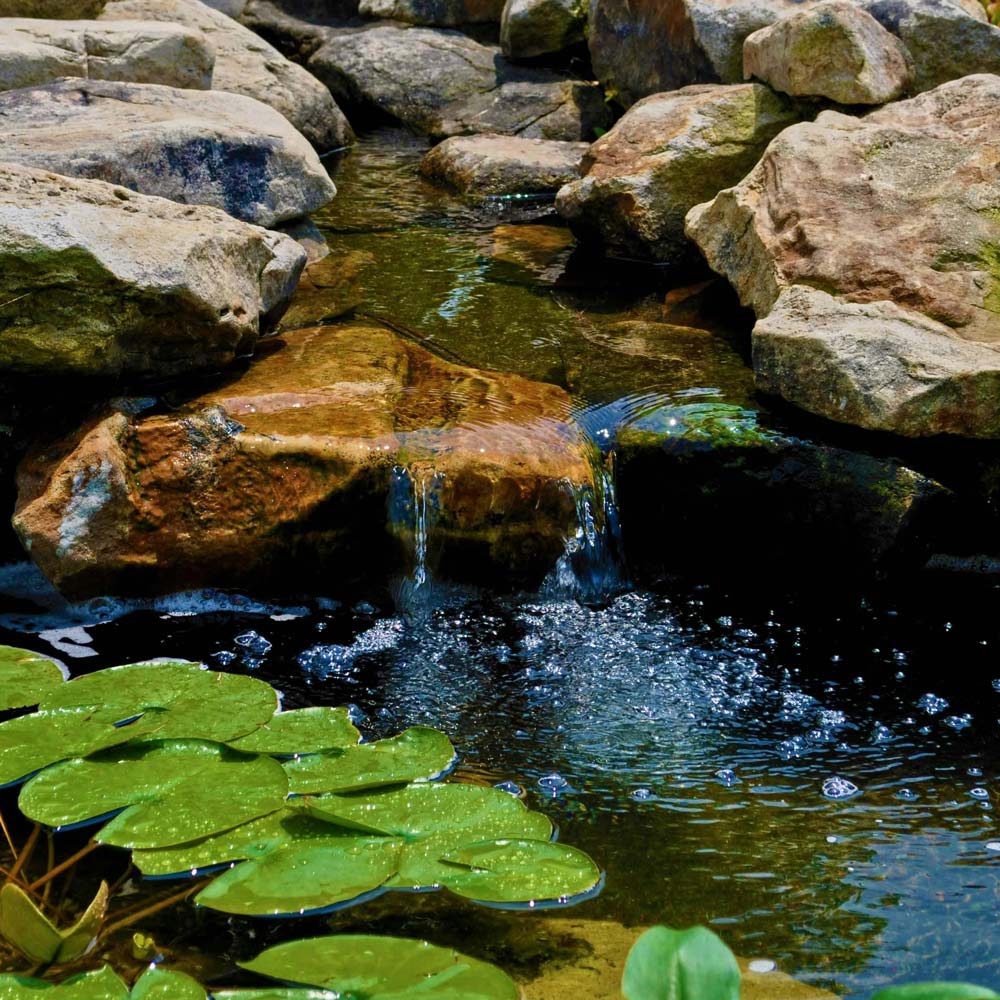
A healthy pond depends on more than a pump alone. Good circulation works together with filtration, algae control, and routine upkeep to keep the water feature balanced over time. Pumps move water through the filtration system, helping remove debris and waste while supporting cleaner, healthier water. When pump performance drops, filtration often becomes less effective, and algae or debris problems can become harder to manage.
That is why water feature and pond pump repair should be viewed as part of the bigger system. Restoring pump performance can improve flow, support filtration, and make the entire feature easier to maintain.
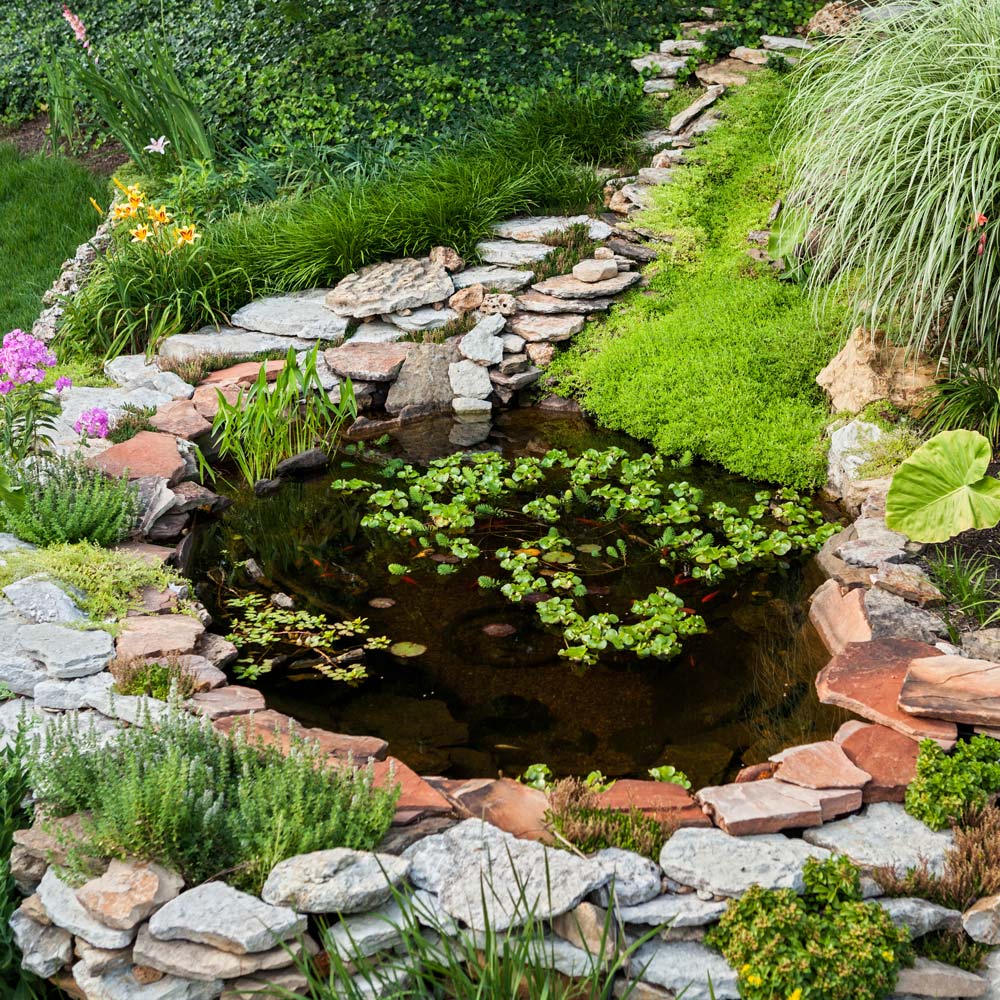
To eliminate pond algae for the long term, treatment alone is usually not enough. Algae control works best when it is approached as part of the overall health of the pond. That means looking at circulation, filtration, debris buildup, sunlight exposure, fish load, and how consistently the pond is being maintained. If those conditions stay the same, algae often return even after treatment.
Every pond is different, which is why algae control should never be treated like a one-size-fits-all service. A koi pond, a decorative pond, a pondless feature, and a shared HOA water feature can all develop algae for different reasons. Some need help with excess organic buildup. Others need better circulation or filtration support. Some features are simply getting too much direct sun for the way they are currently maintained.
At Kingfisher Waterscapes, we take the time to understand how the feature is functioning before recommending next steps. That may involve reducing debris, improving water movement, supporting better filtration, or recommending maintenance changes that make algae less likely to return. When needed, we use targeted treatments as part of a broader strategy to eliminate pond algae while supporting the long-term health of the system.
Kingfisher Waterscapes provides professional service to help homeowners, HOAs, and shared properties eliminate pond algae throughout Eugene, Lane County, and surrounding areas. We specialize in ponds and water features, which means we understand how algae relates to circulation, filtration, debris load, sunlight, and long-term water balance. That specialized perspective helps us recommend solutions that make sense for the feature as a whole.
Clients choose Kingfisher Waterscapes because we provide:
If algae is making your pond harder to maintain or less enjoyable to live with, we can help you eliminate pond algae with a more thoughtful, system-based approach.
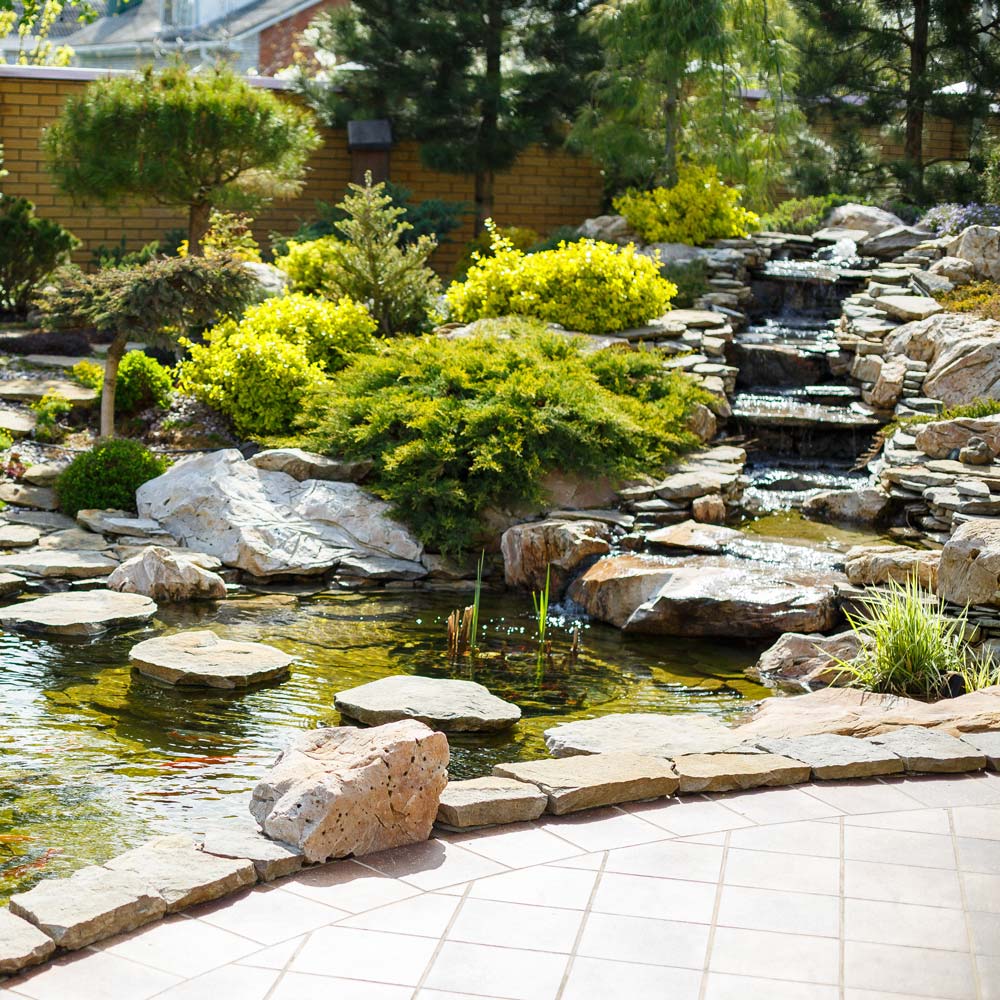
Algae thrive when there is an excess of sunlight, nutrients, and warm temperatures. Common nutrient sources include fish waste, uneaten food, decaying leaves, and lawn runoff. When those nutrients build up in the water, algae can grow quickly.
Some algae are normal and even beneficial in small amounts.
However, excessive algae can:
Effective prevention includes:
Overstocked or overfed fish produce excess waste, increasing nutrients that feed algae. Proper feeding and stocking are key to algae control.